Tree Canopy Thinning in San Jose, CA
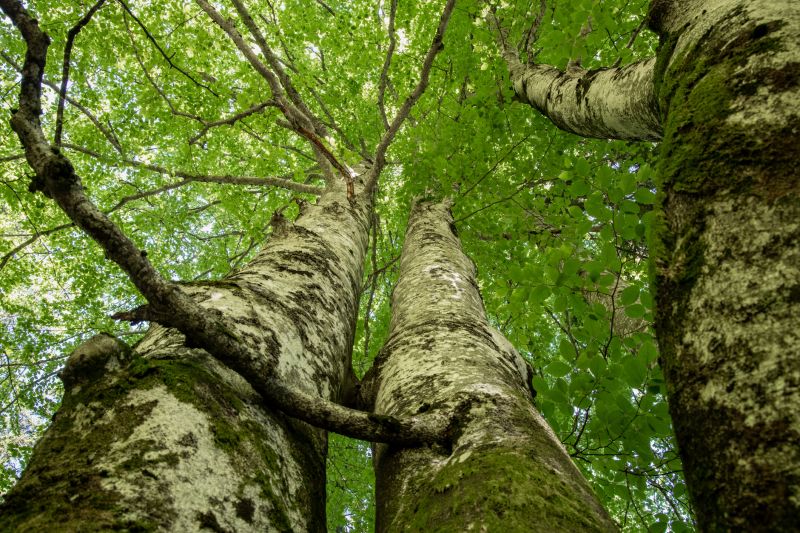
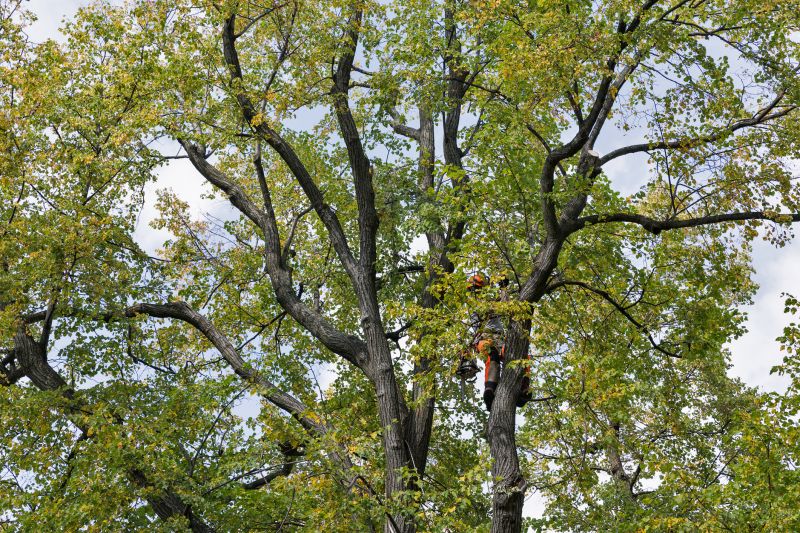
Tree canopy thinning services involve carefully reducing the density of branches and foliage in existing trees to improve overall health, safety, and appearance. This process is often requested for projects such as removing overgrown or hazardous branches, increasing sunlight exposure to lawns and gardens, or maintaining the structural integrity of mature trees. Property owners typically seek this service to prevent potential damage from falling limbs, enhance the aesthetic appeal of their landscape, or promote better airflow and growth within the canopy.
Before requesting tree canopy thinning, property owners usually want to understand the scope of the work, including which branches will be removed and how the process will impact the tree’s health and appearance. It’s important to consider the timing and extent of thinning to ensure the tree remains healthy and continues to provide shade or privacy. Clarifying these details can help ensure the project aligns with aesthetic goals and safety considerations for the property.
Many property owners in San Jose, CA look into Tree Canopy Thinning for repairs, replacements, upgrades, and appearance-related improvements.
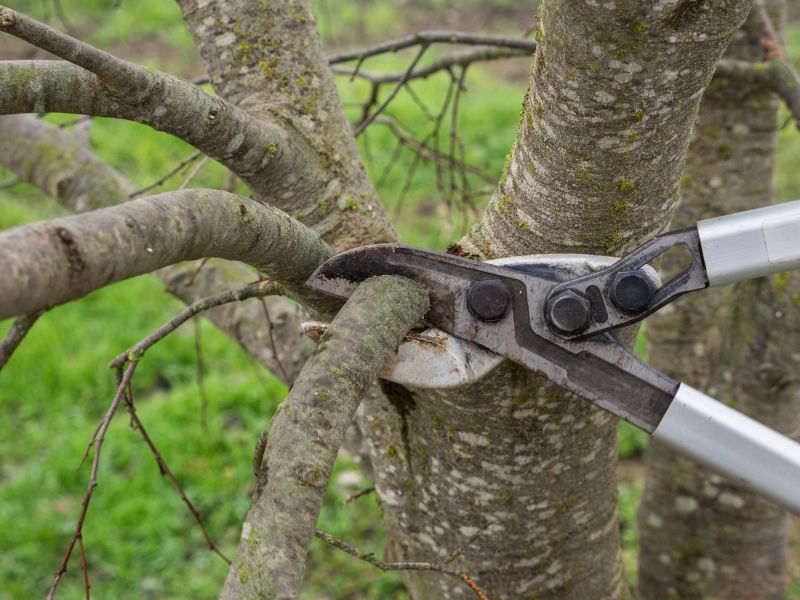
Enhancing Tree Health
Thinning the canopy can improve airflow and reduce stress on mature trees in san jose neighborhoods.
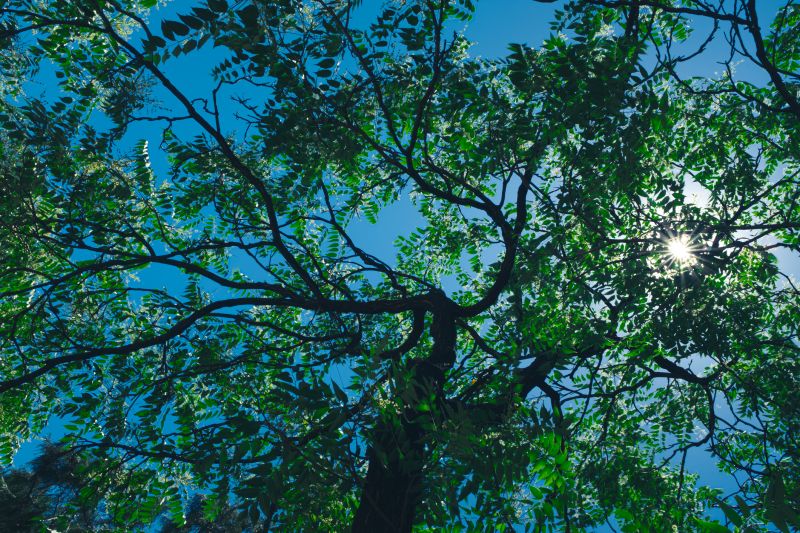
Improving Property Safety
Selective canopy thinning helps prevent branch failure and minimizes risks to people and property during storms.
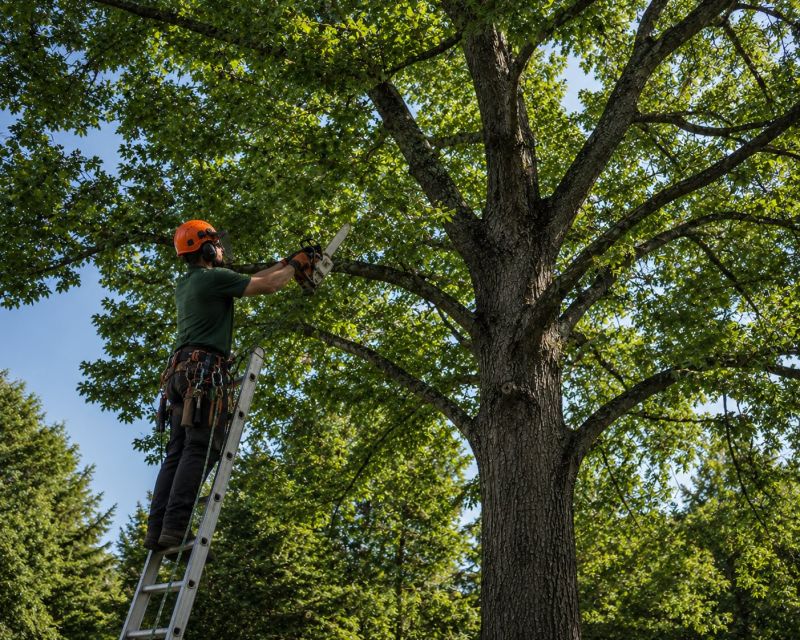
Optimizing Sunlight Access
Adjusting the canopy allows more sunlight to reach lawns and garden beds, promoting healthier plant growth.
Tree Canopy Thinning in San Jose, CA
Tree canopy thinning services involve carefully reducing the density of branches and foliage in existing trees to improve overall health, safety, and appearance. This process is often requested for projects such as removing overgrown or hazardous branches, increasing sunlight exposure to lawns and gardens, or maintaining the structural integrity of mature trees. Property owners typically seek this service to prevent potential damage from falling limbs, enhance the aesthetic appeal of their landscape, or promote better airflow and growth within the canopy.
Before requesting tree canopy thinning, property owners usually want to understand the scope of the work, including which branches will be removed and how the process will impact the tree’s health and appearance. It’s important to consider the timing and extent of thinning to ensure the tree remains healthy and continues to provide shade or privacy. Clarifying these details can help ensure the project aligns with aesthetic goals and safety considerations for the property.
Many property owners in San Jose, CA look into Tree Canopy Thinning for repairs, replacements, upgrades, and appearance-related improvements.
Common Tree Canopy Thinning Jobs
Tree Canopy Thinning - Reduces excess foliage to improve tree health and structure.
Tree Crown Reduction - Carefully trims upper branches to decrease canopy size.
Selective Thinning - Removes specific branches to increase sunlight penetration.
Overgrown Tree Management - Addresses trees that have become too dense or wide.
Structural Pruning - Shapes the canopy to prevent hazards and promote growth.
Canopy Lightening - Lightens heavy foliage to reduce wind resistance and storm risk.
Tree Canopy Thinning Questions
What is tree canopy thinning? Tree canopy thinning involves selectively removing branches to reduce the density of the upper part of a tree, improving airflow and light penetration.
Why consider canopy thinning? Thinning can help reduce wind resistance, prevent limb breakage, and promote healthier tree growth.
Is canopy thinning suitable for all trees? It is typically recommended for mature trees with dense canopies that may pose risks or block light.
How does canopy thinning benefit property owners? Thinning can enhance safety, improve landscape appearance, and support the overall health of trees on the property.
Request Tree Canopy Thinning in San Jose, CA
Use the quote form on this page to share the basics of your project and request more information for the type of work you need.