Optimal Timing for Fruit Tree Pruning
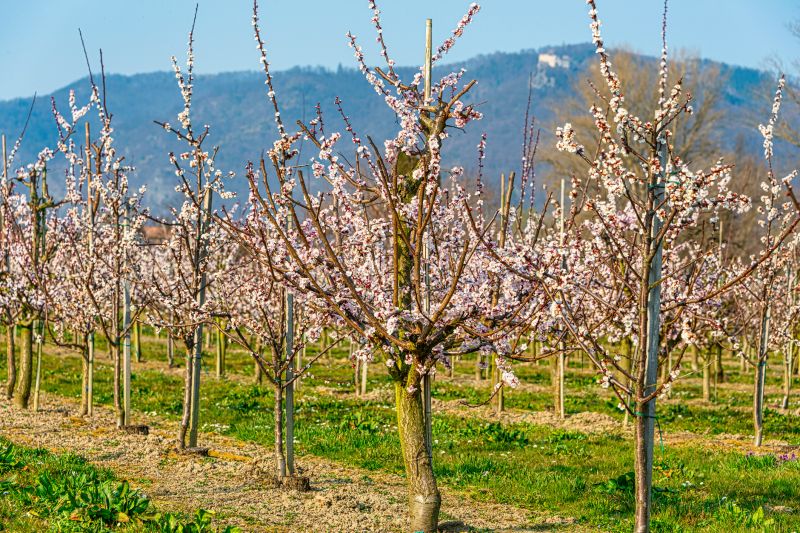
Pruning fruit trees in early spring before bud break encourages healthy growth and fruit production.
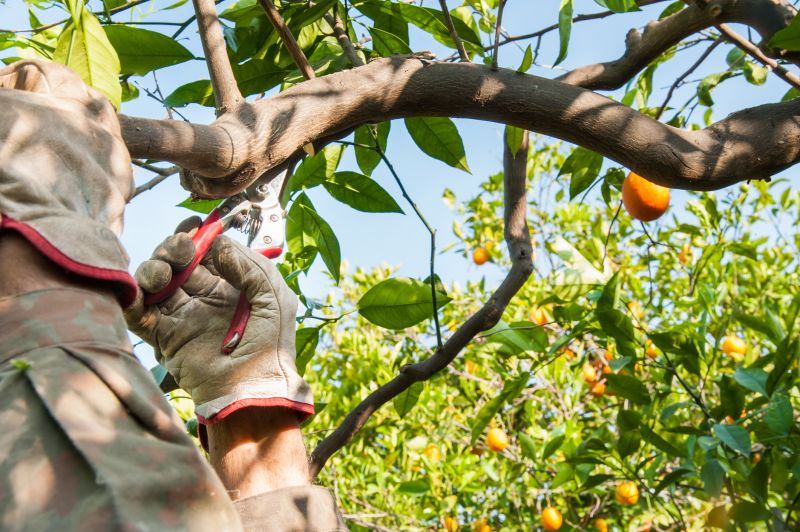
Late winter is ideal for pruning, allowing wounds to heal before the growing season begins.
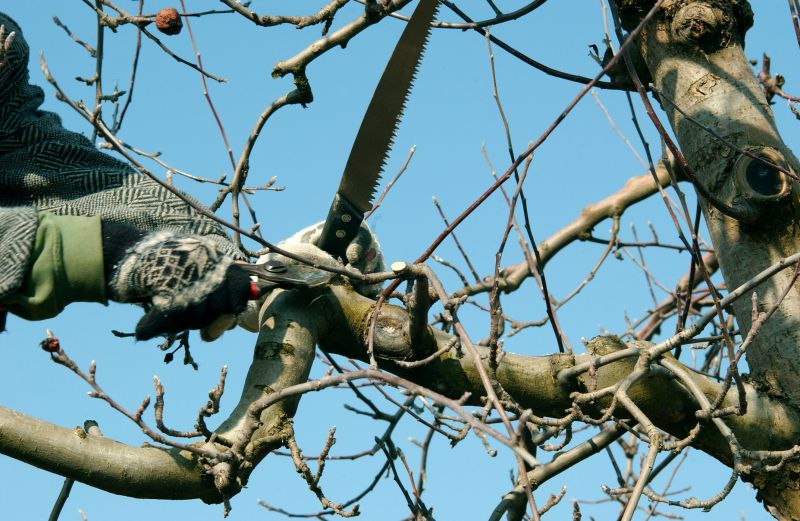
Summer pruning can help control size and improve air circulation but should be done carefully to avoid stressing the tree.
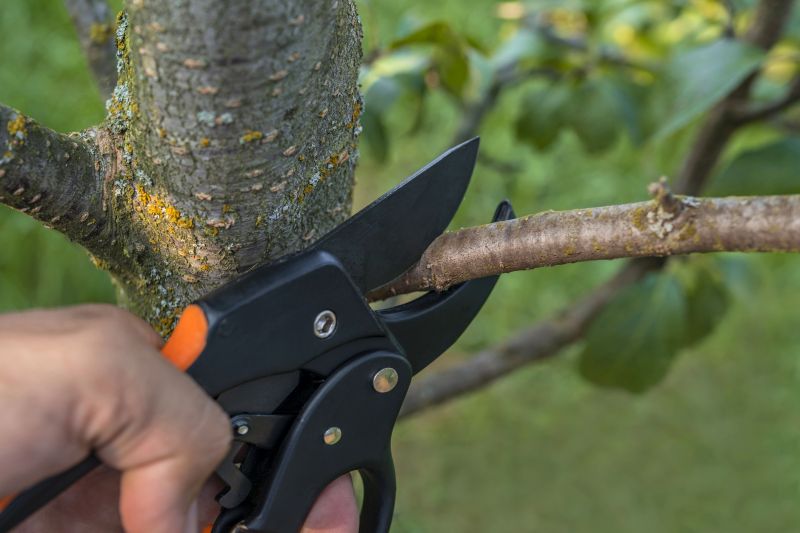
Ways to make Fruit Tree Prunings work in tight or awkward layouts.
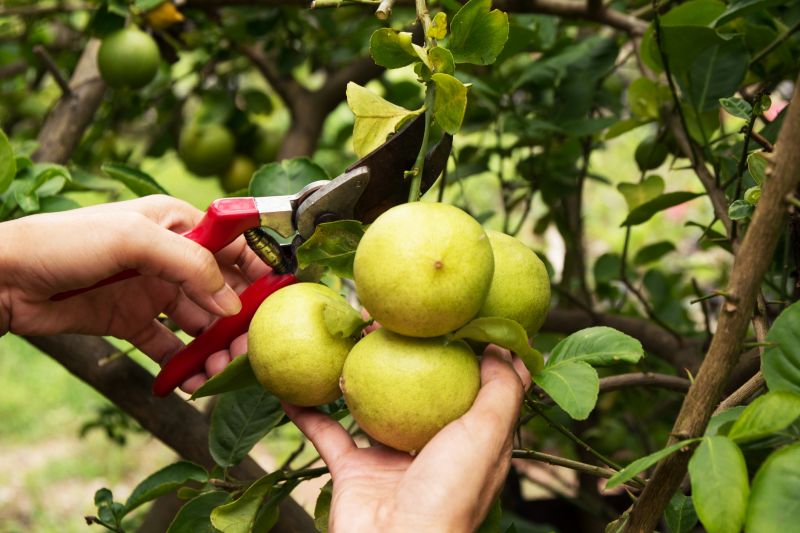
Popular materials for Fruit Tree Prunings and why they hold up over time.
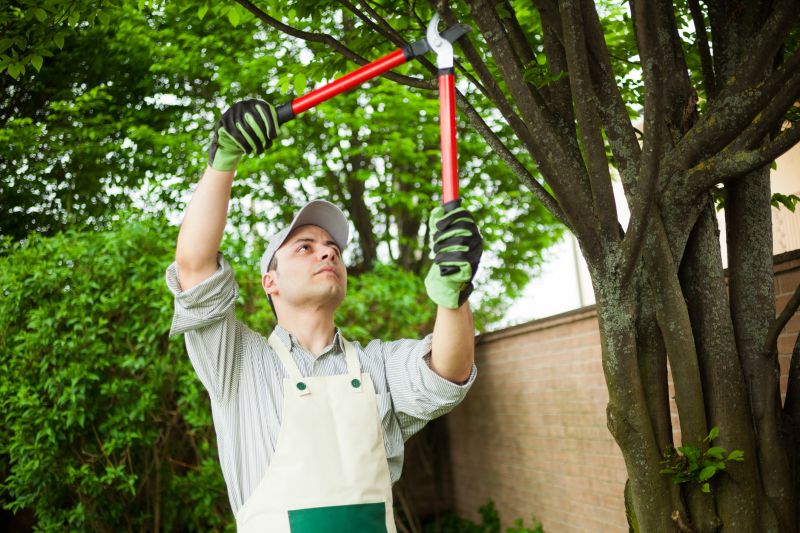
Simple add-ons that improve Fruit Tree Prunings without blowing the budget.
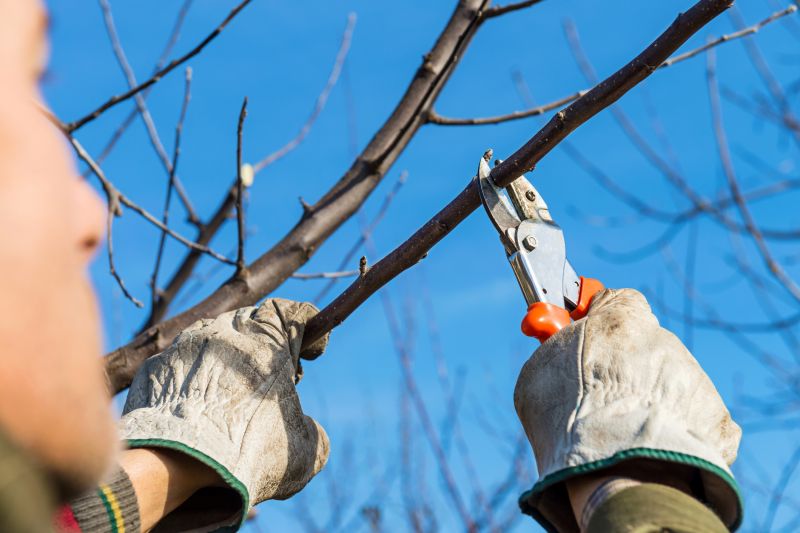
High-end options that actually feel worth it for Fruit Tree Prunings.
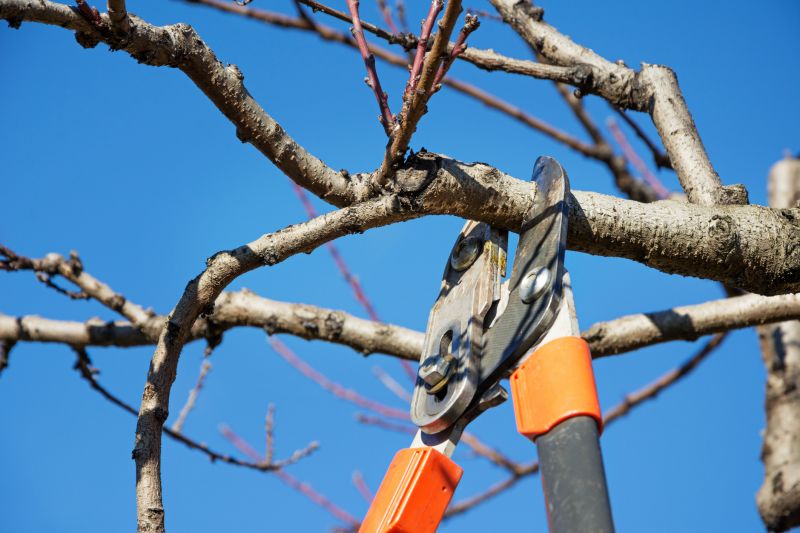
Finishes and colors that play nicely with Fruit Tree Prunings.
Fruit tree prunings are essential for maintaining tree health, optimizing fruit yield, and managing tree size. Proper timing of pruning influences the tree’s ability to recover and produce fruit effectively. Pruning involves removing dead, diseased, or overcrowded branches to improve light penetration and air circulation within the canopy. This practice can significantly enhance fruit quality and reduce pest and disease issues.
Statistics indicate that pruning at the correct time can increase fruit yields by up to 30%. It also helps prolong the lifespan of fruit trees by preventing structural issues and disease buildup. The ideal pruning period varies depending on the type of fruit tree and local climate conditions, but generally, late winter and early spring are considered optimal for most deciduous fruit trees.
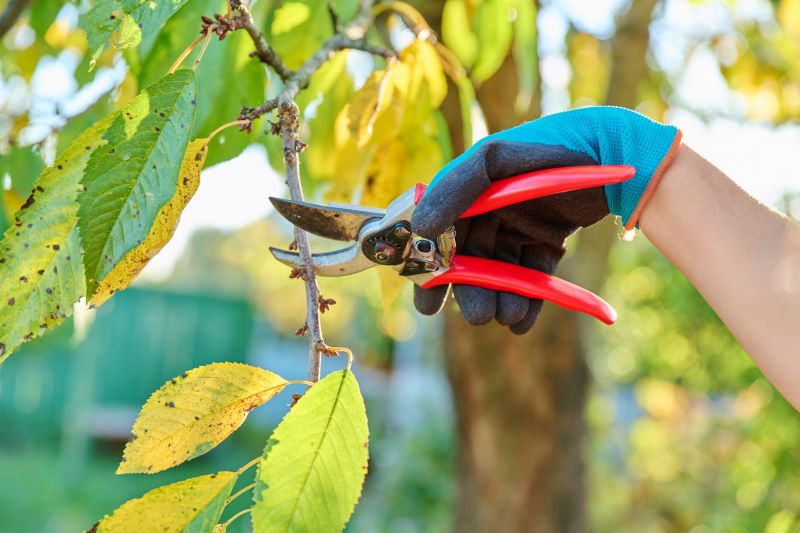
Use sharp, clean tools to make precise cuts and reduce disease risk.
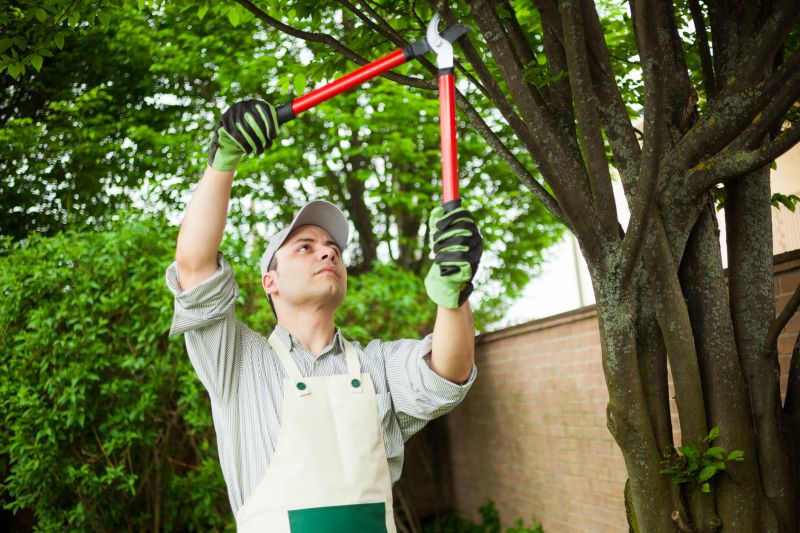
Proper cuts promote quick healing and healthy growth.
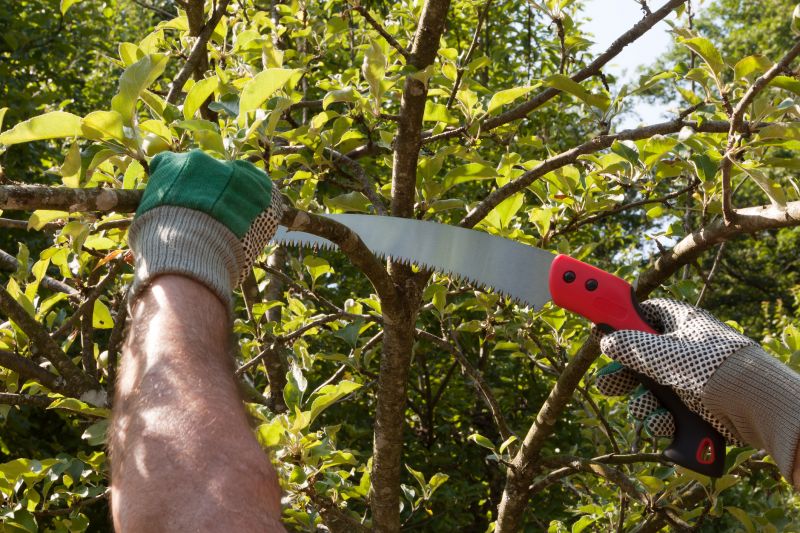
Dispose of pruned branches properly to prevent pest spread.
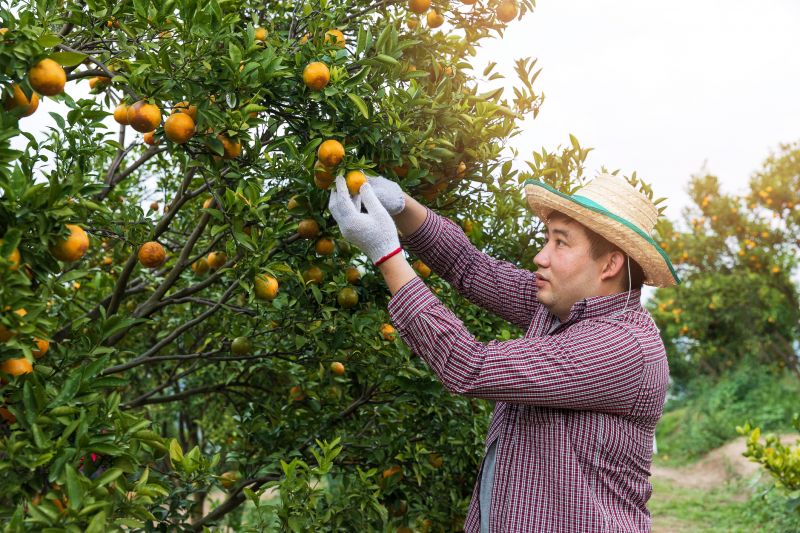
Regular checks help identify issues early.
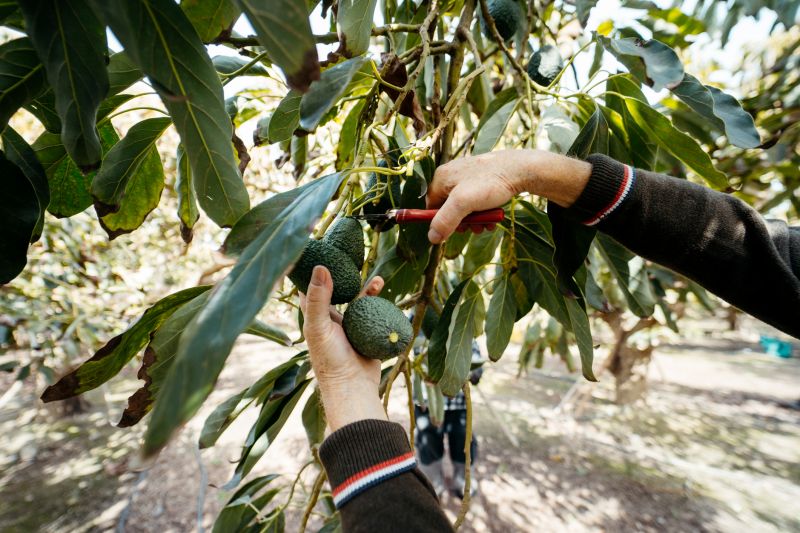
Dormant pruning minimizes stress and encourages vigorous growth.
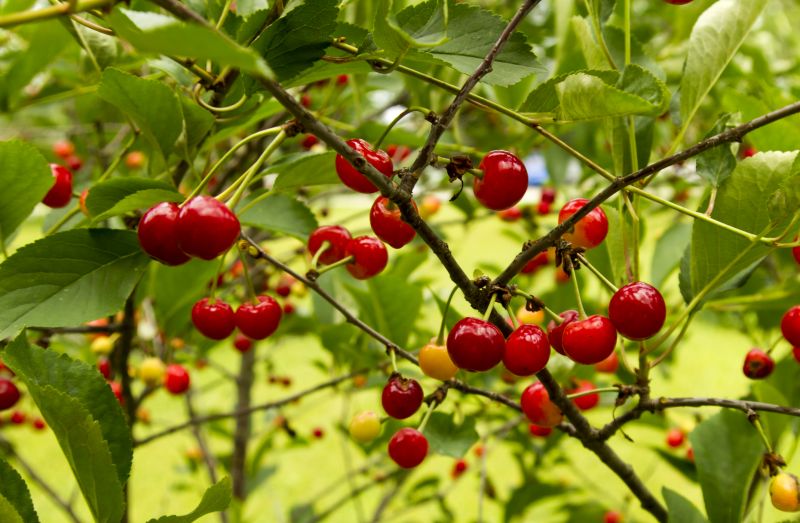
Early pruning shapes the structure and encourages strong development.
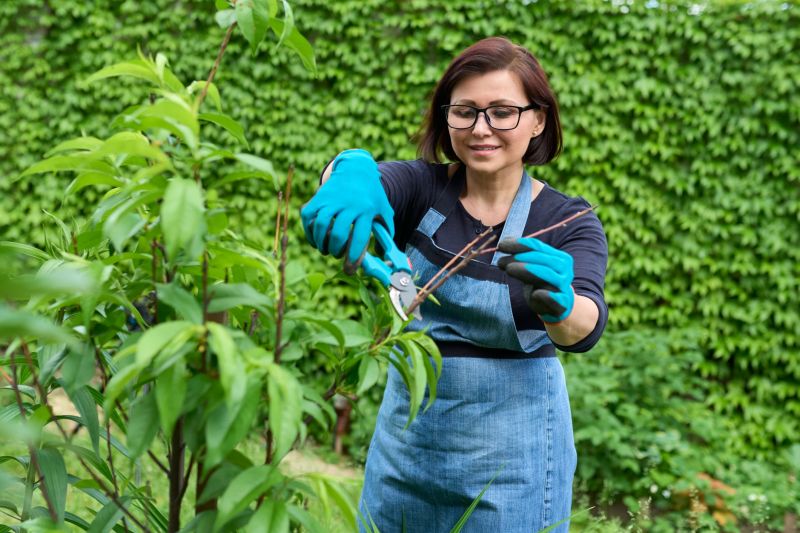
Removing excess fruit improves size and quality.
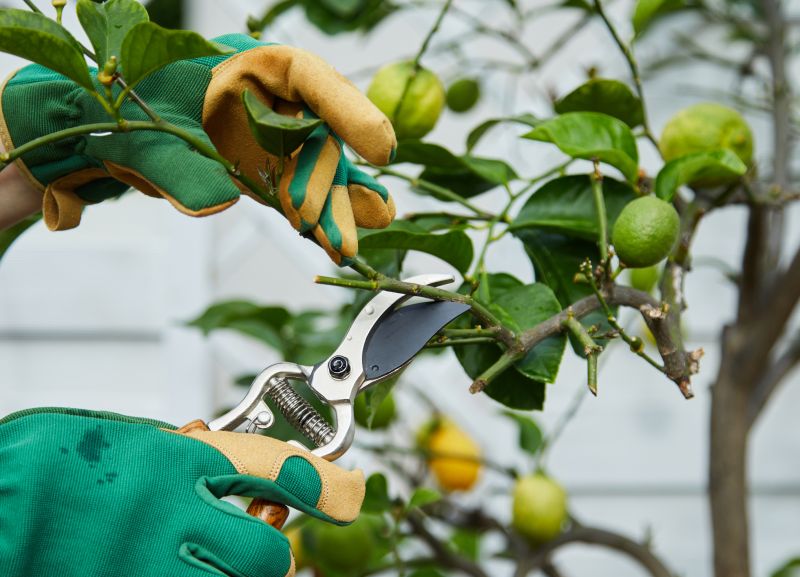
Pruning reduces disease spread and improves airflow.
| Pruning Timing | Recommended Actions |
|---|---|
| Late Winter | Prune to shape and remove deadwood. |
| Early Spring | Encourage new growth before bud break. |
| Summer | Control size and remove diseased or overcrowded branches. |
| Autumn | Clear fallen leaves and prune lightly if needed. |
| During Dormancy | Perform major cuts to shape the tree. |
| Pre-Bloom | Light pruning to improve fruit access. |
| Post-Harvest | Prune to prepare for the next season. |
| Mid-Season | Selective thinning for better fruit quality. |
Little measurements that prevent headaches on Fruit Tree Prunings day.
A 60-second routine that keeps Fruit Tree Prunings looking new.
A frequent mistake in Fruit Tree Prunings and how to dodge it.