
Ultimate Collection Of Products For Fruit Tree Prunings For Healthy Orchard Management
Find the essential tools and accessories that support efficient pruning practices to keep your fruit trees thriving year-round.
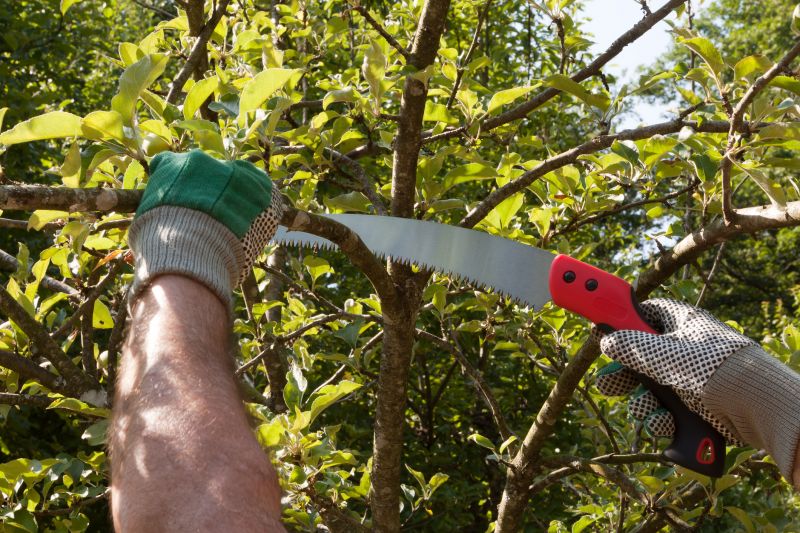 Pruning fruit trees is an essential horticultural practice that promotes healthy growth, improves fruit quality, and maintains the overall structure of the tree. To achieve effective pruning, gardeners and orchardists utilize a variety of tools designed to make precise cuts and handle different pruning tasks. These tools range from simple hand pruners to specialized saws and loppers, each suited to specific types of pruning cuts and branch sizes. Selecting the right tools can help ensure clean cuts that minimize damage and encourage healthy regrowth.
Top Overall Option
Multi-Function Pruning Tool Set
A versatile pruning tool set that includes various hand pruners, loppers, and small saws designed to handle different branch sizes and pruning tasks. Crafted with sharp, durable blades and ergonomic handles, this set provides a comprehensive solution for maintaining fruit trees efficiently and comfortably.
Types of Products For Fruit Tree Prunings
Hand Pruners
Compact and easy to maneuver, hand pruners are ideal for precise cuts on small branches and stems, making them a staple for detailed pruning work.
Loppers
Designed for thicker branches, loppers provide increased leverage and cutting power, suitable for medium-sized pruning tasks.
Pruning Saws
Specialized saws with curved or straight blades, perfect for cutting larger branches or wood that cannot be handled by pruners or loppers.
Pole Pruners
Extendable tools that allow pruning of high branches without the need for ladders, featuring a cutting head at the end of a telescoping pole.
Bypass Pruners
Tools with two blades that slide past each other, providing clean cuts ideal for live plant material.
Anvil Pruners
Tools with a single sharp blade that cuts against a flat surface, suitable for dead or woody branches.
Grafting Knives
Specialized knives used for grafting and precise pruning cuts to promote healthy union formation.
Secateurs
Smaller, lightweight pruners designed for detailed trimming and shaping of fruit trees.
Chainsaw Pruners
Powered tools that make quick work of larger branches, ideal for extensive pruning projects.
Pruning Shears
Small scissors-like tools perfect for delicate pruning or shaping young shoots.
Hedge Shears
Long-bladed scissors suitable for trimming and shaping larger, bushy branches.
Branch Collars
Tools designed to safely remove branches at the correct angle without damaging the trunk.
Pruning Clips
Small, handheld devices used for pinching or trimming smaller growths and suckers.
Sharpening Stones
Essential for maintaining the sharpness of blades, ensuring clean cuts and tool longevity.
Protective Gloves
Protective gear that provides safety during pruning, especially when handling thorny or rough branches.
Popular Choices
Widely used for detailed trimming, these versatile tools are favored for their precision and ease of use.
Popular for their ability to handle thicker branches with minimal effort, making them a common choice among orchardists.
Convenient for quick cuts on larger branches, these saws are favored for their portability and efficiency.
Ideal for reaching high branches safely, these tools are frequently used for maintaining tall fruit trees.
Battery-powered tools that reduce manual effort, gaining popularity for their convenience in extensive pruning tasks.
Preferred for live plants, these pruners are known for providing clean, precise cuts.
Often chosen for cutting through deadwood, these tools are common in orchard maintenance.
Popular among those practicing grafting, these knives are essential for precise cuts.
Complete sets that include various tools for different pruning needs, favored for their versatility.
Designed to reduce hand fatigue, these tools are trending for extended pruning sessions.
Powerful and efficient, these are popular for large-scale pruning projects.
Specialized for grafting, these tools are increasingly sought after for orchard propagation.
Gloves with reinforced protection, frequently used for handling thorny branches.
Essential for maintaining cutting edges, these are commonly kept in toolkits.
Portable and space-saving, these are popular for quick, on-the-go pruning.
Proper pruning tools are also crucial for safety and efficiency. Ergonomically designed handles reduce fatigue during extended pruning sessions, while sharp blades ensure smooth cuts that reduce tearing and stress on the tree. Additionally, considering the size and type of branches you typically prune can guide you toward the most appropriate tools. For example, smaller hand pruners are ideal for delicate cuts, whereas larger loppers or saws are better suited for thicker branches.
Maintenance of pruning tools is equally important. Regular sharpening and cleaning prevent rust and ensure the blades remain effective. Using the correct tool for each task not only improves the quality of pruning but also extends the lifespan of your equipment. Whether you are a hobby gardener or managing a larger orchard, investing in versatile, durable pruning tools can make a significant difference in the health and productivity of your fruit trees.
Key Buying Considerations
- Blade Material and Sharpness: Look for high-quality steel blades that can be easily sharpened and maintain their edge.
- Cutting Capacity: Ensure the tool can handle the branch diameter typical of your pruning needs.
- Ergonomics and Comfort: Choose tools with comfortable, non-slip grips to reduce fatigue during extended use.
- Weight and Balance: Lighter tools reduce strain, especially when pruning for long periods.
- Blade Type: Bypass blades are ideal for live, green branches, while anvil blades are better suited for deadwood.
- Durability and Build Quality: Invest in tools made from sturdy materials that withstand regular use.
- Ease of Maintenance: Tools that are easy to clean and sharpen can prolong their lifespan and maintain performance.
- Safety Features: Look for tools with safety locks or guards to prevent accidental injuries.
- Extendable Features: For high branches, consider tools with telescoping handles for safer, easier access.
- Compatibility with Grafting: If grafting is part of your maintenance, select tools designed for precision cuts.
- Price and Budget: Balance the cost with the quality and features needed for your pruning tasks.
- Brand Reputation: Trusted brands often offer better quality assurance and customer support.
- Availability of Replacement Parts: Check if blades or other parts can be easily replaced.
- Intended Use: Match the tool type to your specific pruning tasks to avoid unnecessary purchases.
- Storage and Portability: Consider how easy it is to store and transport your pruning tools.
This page contains affiliate links. We may earn a commission if you purchase through these links, at no additional cost to you.